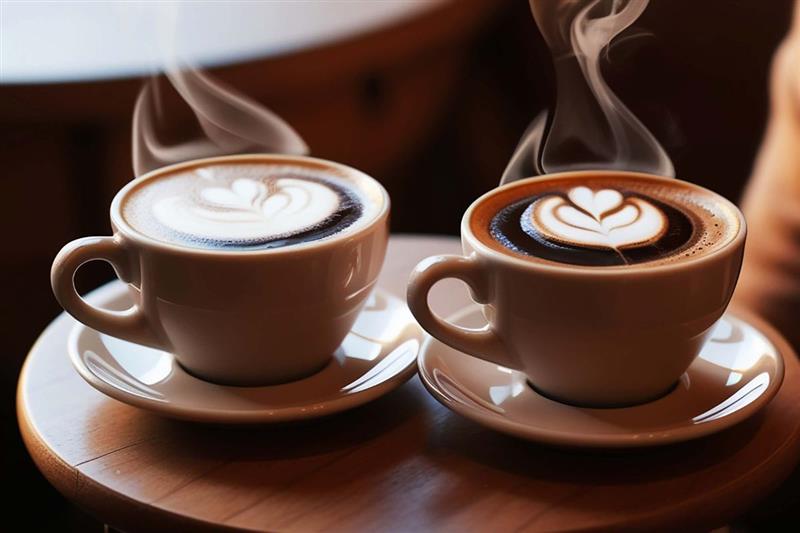
What is a macchiato? It’s essentially espresso with an attitude problem. If you walk into a coffee shop and ask for “just a coffee”, it’s likely that you’ll receive something watery from the drip machine. Order a macchiato? You’re basically drinking two ounces of pure, concentrated caffeine with just enough milk to remind you that dairy products exist. The Italian word “macchiato” translates to “spotted” or “stained”. Because that’s what it is. Espresso “stained” with a dollop of steamed milk. We’re talking, max, a teaspoon or two. That’s it. No frills. No whimsically Instagrammable latte art that stretches over the brim of the entire cup. Nothing more than a tiny white mark resting atop the dark espresso like a badge of honor.
Italy Made This Because of the Rules
After lunch, Italians don’t drink milk. Something about digestion. Cappuccinos are morning drinks only over there. Afternoon? You’d better order straight espresso, or they’ll judge you silently. But others continued to want milk. So they devised this little loophole. Add just enough foam to an espresso that you can get away with calling it a milk drink. Problem solved. The word “macchiato” translates to “stained”, because you are just staining the espresso with a little bit of milk. Waiters could tell drinks apart this way, too. Plain espresso looked plain. The macchiato had that little white dot on top.
Also Read – Why Broccolini Deserves a Spot in Your Cart
Is a Macchiato Stronger Than Coffee?
Way stronger. Not even close. Espresso is about four to six times more concentrated than regular drip coffee. A macchiato is 96% espresso. You’re drinking a shot with barely any cushioning. Regular coffee? Perhaps 95 milligrams of caffeine in an eight-ounce cup. A macchiato? About 85 mg in 1.25 ounces. Fewer milligrams of total caffeine, but a heck of a lot more punch per sip. My hands shake after I drink two of those in a row. Don’t do that.
Macchiato vs Latte: They’re Not Even Close
These two are constantly mixed up. Don’t be that person. What is the difference between a latte and a macchiato? Everything. Absolutely every single thing but the components. A latte consists of steamed milk added to an espresso, while a macchiato is a shot of espresso that has been dashed with a little bit of milk. The latte’s got tons of milk. The macchiato has barely any. A latte generally has 60-80% steamed milk; the rest is foam and espresso.
It’s creamy and mild. Ideal for those who aren’t really coffee people but want to pretend they do. A macchiato inverts that ratio altogether. You’re getting mostly espresso with just a teaspoon or two of foam. The macchiato has the highest ratio of espresso to milk of any drink made with those ingredients. If someone hands you a 16-ounce “macchiato”, they’re lying to you. That’s a latte pretending to be something it’s not.
Macchiato vs Cappuccino: Different Proportions, Different Vibe
Cappuccinos use equal parts espresso, steamed milk, and foam. About six ounces total. They’re balanced. Creamy. The milk actually does something. A macchiato barely has milk. Just foam sitting on top like a little hat. You taste espresso first, second, and third. The milk shows up somewhere around fourth or fifth. Cappuccinos are for people who like coffee but also like texture and smoothness. Macchiatos are for people who like coffee, period.
Macchiato vs. Cortado: Getting Into Weeds Here
A cortado is equal parts espresso and steamed milk. Equal parts. About four ounces. In a cortado, the milk counteracts that bitterness. That is why it is called cortado, which means “cut” in Spanish. Macchiato vs cortado comes down to this: Do you want the milk to play along or just stand on the sidelines? Cortados are smoother. Macchiatos hit harder. I drink cortados in the afternoon when I am exhausted but still have another three hours of work to get through. Macchiatos when I need to wake up now.
The Starbucks Problem
Here’s where things get messy. At Starbucks, they sell something called a caramel macchiato. In a Starbucks macchiato, a couple of espresso shots are paired with freshly steamed milk and vanilla-flavored syrup, topped with a caramel drizzle. That’s not a real macchiato. It’s really just a vanilla latte with caramel on top and the shots poured in last instead of first. It’s good, sure. Sweet and tasty. But to call it a macchiato is like calling a hot dog a steak just because they’re both meat. When done well, the traditional Italian macchiato is small and strong, barely sweetened by natural sugars in the milk. The Starbucks version is 12 to 20 ounces of sweet milk with a bit of coffee thrown in. Not the same drink. Not even close.
Iced Macchiato: Because Americans Can’t Leave Anything Alone
Oh, you can ice these things. An iced macchiato is milk over ice with shots of espresso poured on top. With the milk and coffee, this creates a cool marbled effect. At first, the espresso floats on top; then it gently mingles as you drink. It’s pretty. It’s refreshing. It’s also basically an iced latte turned upside down. Traditional macchiatos are hot. But coffee culture evolves. Now you can have them cold, flavored, extra large, and extra sweet. Do whatever makes you happy. But just know that you’re not consuming what the Italians invented.
How to Make One
You need an espresso machine. There are no hacks here. No instant coffee or drip machine workarounds. Pull two shots of espresso. Steam 3 ounces of milk until frothy. Spoon one or two teaspoons of foam on the espresso. Done. It should only take 90 seconds if you know what you’re doing. If you don’t have an espresso machine, just order one at a coffee shop. It should be a real coffee shop, not Starbucks. They’ll serve you the real thing.
Why Do People Drink Macchiatos?
Straight espresso is harsh. Bitter. Acidic. Some people love that. Most people don’t. Why do people drink macchiatos? The tiny bit of foam takes the edge off without hiding the coffee taste. You get 95% of the espresso experience with 5% less regret. Also, they’re fast. You’re not committing to 30 minutes of sipping. Three gulps and you’re caffeinated. Italians drink them after lunch because they don’t want a heavy milk drink but still need caffeine. Makes sense when you think about it.
Also Read – What Are the Benefits of Lemon Cucumber Water?
Simple Macchiato Recipe
Two shots of espresso. One small cup. Steam three ounces of whole milk to about 145°F. Spoon foam on top of espresso. Drink immediately. Want it sweeter? Add sugar to the espresso before the foam. Half a teaspoon works. Don’t add vanilla syrup or caramel or whatever. That’s a different drink. Nothing wrong with it, just call it something else.
When You Should Actually Order This
After lunch, when you’re dragging. When you want caffeine but your stomach’s full of food already. When you’re at a real Italian place and want to fit in. When you need to leave somewhere quickly and can’t commit to a 16-ounce beverage, don’t order it if you hate espresso. Don’t order it if you want something milky and sweet. Don’t order it if you’re still learning to like coffee. Do order it if you’re done pretending you like milk more than coffee.
Here’s What Nobody Tells You
Macchiatos taste different depending on the beans, the machine, and the barista’s mood. I’ve had some that were smooth and slightly sweet. Others tasted like battery acid with aspirations. The good ones taste like concentrated coffee with this little creamy cloud that makes everything better for half a second. The bad ones taste like punishment. There’s no middle ground with macchiatos. They’re either great or they’re making you question your choices.
Real Talk
Most people don’t like macchiatos. They’re too small, too strong, too intense. That’s fine. Drink what you like. But if you’ve been ordering lattes because you think that’s what “real” coffee drinkers do, try a macchiato once. See what espresso actually tastes like without eight ounces of milk hiding it. You’ll either realize you love strong coffee or you’ll realize you’ve been lying to yourself. Both are useful pieces of information. I can’t go back to lattes now. They taste like hot milk that accidentally touched some coffee. Macchiatos spoiled me. Two ounces of espresso with barely any foam is all I want anymore. Your mileage may vary. But try one first before you decide.
FAQs
1. What is a macchiato coffee?
A macchiato is an espresso-based drink “stained” or “marked” with a small amount of milk or milk foam. The word macchiato comes from Italian, meaning “marked,” which perfectly describes this bold coffee.
2. How is a macchiato different from a latte?
A macchiato has mostly espresso with just a dash of milk, while a latte contains much more steamed milk and is creamier. If you love strong coffee flavor, a macchiato is the better choice.
3. Is a macchiato stronger than a cappuccino?
Yes, a macchiato tastes stronger because it has less milk compared to a cappuccino, which includes equal parts espresso, steamed milk, and foam.
4. Does a macchiato contain sugar?
Traditionally, no. A classic macchiato is served without sugar, but you can add sweeteners or flavored syrups based on your preference.
5. How many calories are in a macchiato?
A traditional espresso macchiato has very few calories (around 15–30), depending on the type of milk used.
Also Read: Why Your Team Keeps Missing Deadlines (And How to Fix It)







💬 Comments