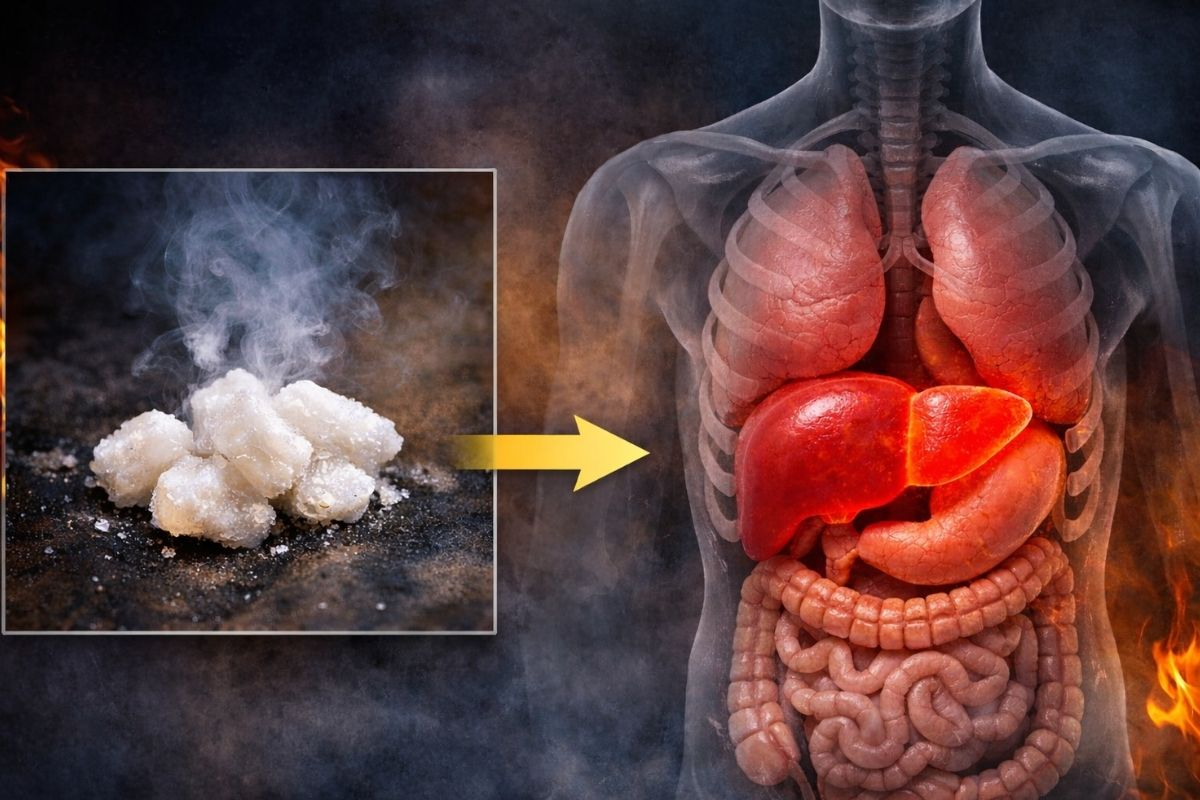
There has been a lot of discourse regarding white phosphorus in relation to chemical exposure, military use, and mishaps in factories. It is a chemical that reacts a lot. When people browse for health information, they usually want to know which part of the body white phosphorus touches first. To comprehend the answer, you need to know how white phosphorous gets into the body and how it changes the tissues of the body.
What is White Phosphorus?
When white phosphorus touches oxygen in the air, it catches fire. This is why it has been used in the past in military smoke bombs, incendiary devices, and a number of industrial procedures. It sends forth a lot of heat and thick white smoke that is largely made up of phosphorus pentoxide when it burns.
People can come into contact with white phosphorus in three main ways:
- Touching the skin
- Inhaling fumes
- Food
Because multiple routes affect the body in different ways, it’s not always evident which organ is first affected by white phosphorus. But in most cases of exposure in real life, one organ system usually gets harmed first.
Skin: The First Organ That Usually Gets Hurt
When people come into contact with white phosphorus, their skin is usually the first organ to get hurt. This happens because the material usually touches the outside of the body before it gets inside.

White phosphorus particles can stick to the skin and keep burning as long as there is oxygen. This generates very deep chemical burns that can reach through many layers of tissue. These injuries are different from typical thermal burns because they could persist, harming tissue until the chemical is gone.
These burns are really bad because:
- When the air gets to it, the burning might start anew.
- The chemical penetrates tissues.
- Small fragments can linger in the skin.
Because of these things, the skin is often the first part of the body to get damaged. This is why white phosphorus affects it first in many cases.
What Happens After You Touch Your Skin
If the chemical touches the skin, it can go into the blood. White phosphorus starts to harm internal organs as soon as it enters into the circulation. At this point, the poison can move through the body very quickly.
The harm could spread beyond the site of the burn, making the whole body poisonous.
Absorption Affects Organs Inside the Body
The liver is the most probable internal organ to be hurt when white phosphorus comes into the body. In fact, medical research shows that phosphorus poisoning harms the liver more than any other organ in the body.
Some signs that your liver is harmed are:
- A lot of pain in the belly
- Feeling sick and throwing up
- Skin turning yellow (jaundice)
- Swelling of the liver
The liver is the body’s principal cleansing organ, hence it is very important. The liver is the first organ to deal with dangerous substances that get into the blood, which makes it more likely to be harmed by chemicals.
What the Kidneys and Heart Do
After the liver, other organs like the kidneys and heart may also be affected. The kidneys try to get rid of poisons in the blood, which means they come into contact with a lot of phosphorus compounds.
Some things that could go wrong are:
- Kidney failure
- Issues with the heart’s rhythm
- Unbalanced metabolism
But these consequences usually happen after the harm and the substance has been taken in by the body.
The Respiratory System and Breathing in
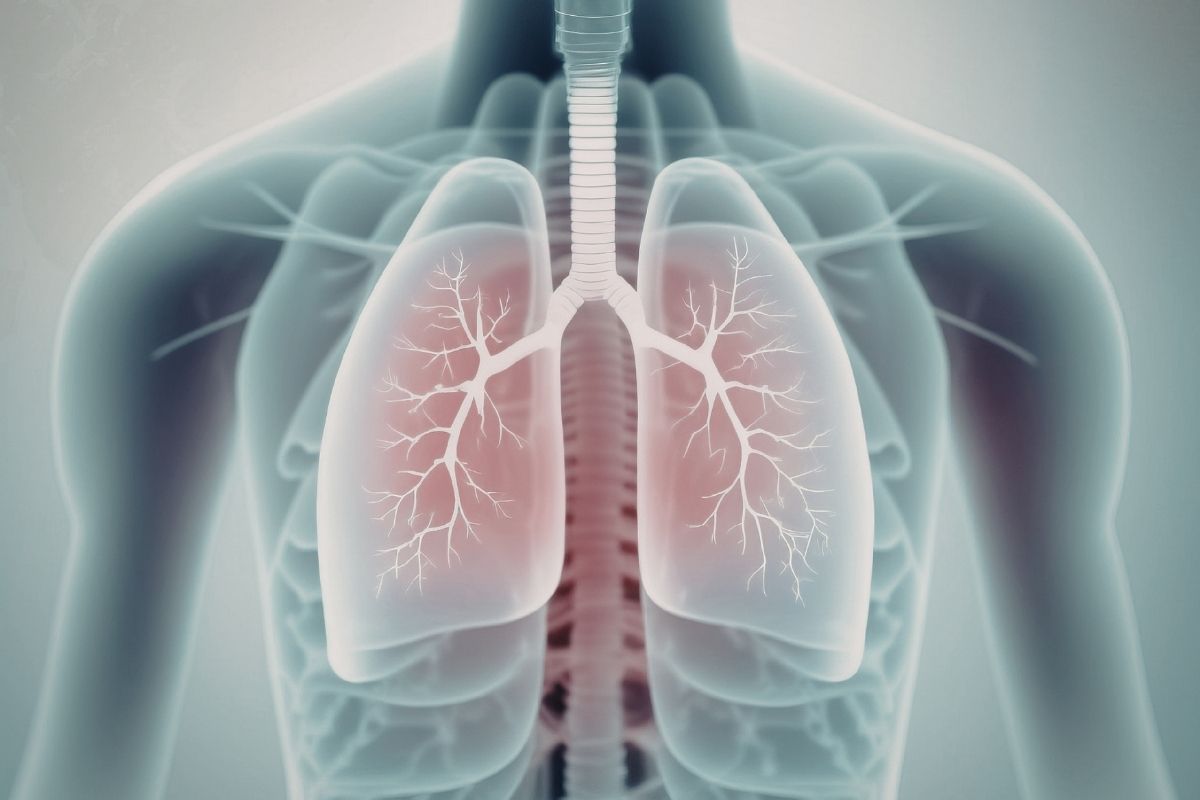
When white phosphorus burns and creates smoke, breathing it in is one of the main ways to get exposed. Sometimes, the lungs may be the first organ to be affected instead of the skin.
The smoke can hurt your lungs and make you feel bad. Some of the symptoms are:
- Coughing all the time
- A tight feeling in the chest
- Not being able to breathe
- Lung inflammation
This distinction is why the question “Which organ is first affected by white phosphorus?” can have different answers depending on how the person came into contact with it.
Why White Phosphorus Burns Are So Dangerous
People don’t know that white phosphorus injuries can keep happening inside the body long after the flames are extinguished. Over time, small bits of tissue may slowly break down and release heat.
This means that tissue damage could happen for hours after the first time they meet.
White phosphorus also has a unique property: it glows in the dark due to a chemical process known as chemiluminescence. In medicine, this capability can help clinicians discover phosphorus particles that are still in wounds while they are treating them.
This unique property distinguishes white phosphorus burns markedly from conventional chemical or thermal burns.
Immediate Medical Response to Exposure
White phosphorus often burns the skin first, emergency care focuses on getting rid of the chemical right away and halting the burning.
Medical responders normally do the following:
- Put the broken bits in water so that oxygen can’t get in.
- Take away any visible particles carefully.
- Cover the wound to keep air out.
- Check for signs of poisoning throughout the body.
To avoid damage to internal organs, it’s crucial to obtain treatment very soon.
Why It’s Important to Be Aware
Both doctors and the general public need to know which organ white phosphorus hurts first. Recognising symptoms early on can make treatment far more effective and minimise the risk of major problems.
You should still know about the dangers of white phosphorus because it can be found in places like war zones or industrial mishaps.
To sum up
In short, the answer to which organ is first affected by white phosphorus depends on how the person comes into contact with it. The skin is usually the first organ to get hurt because the chemical often comes into direct contact with the body and produces significant burns. The lungs may be the first thing to get hurt if the material is breathed in. If it gets into the body, it can hurt the kidneys and liver a lot.
White phosphorus is particularly dangerous because it can keep reacting with oxygen and harming tissues long after the first time it comes into contact with them. Doctors can better serve individuals when they know how these things impact them, and it illustrates how crucial it is to be very careful when working with toxic drugs.
Medical Disclaimer
This article is intended for educational and informational purposes only. White phosphorus exposure can be extremely dangerous. Seek immediate medical attention or contact emergency services in cases of suspected exposure or poisoning.
Sources and References
- Centers for Disease Control and Prevention (CDC) — White phosphorus exposure information
- World Health Organization (WHO) — Chemical safety guidance
- PubMed — Toxicology studies on white phosphorus exposure
- Agency for Toxic Substances and Disease Registry (ATSDR)
- National Library of Medicine — White phosphorus health effects
Fact Checked: This article was researched using publicly available scientific and medical sources.





💬 Comments