
When Ayatollah Ali Khamenei was confirmed killed in a joint US-Israeli airstrike on February 28, 2026, the news triggered an eruption of emotion, joy, shock, and disbelief among Iranians who had long opposed his rule. The way Iranian women react to Khamenei’s death became one of the most defining and discussed narratives of the entire crisis. But among the most striking images to emerge from the hours that followed were those of women inside Iran, across the diaspora, and on streets from London to Los Angeles openly, defiantly, and publicly celebrating his death.
For many observers outside the region, this reaction seemed jarring. Why would women celebrate the death of a head of state, even in the middle of an active war? The answer lies in nearly five decades of lived experience under a regime that treated women as second-class citizens under the law, policed their bodies, and killed those who dared to resist.
The “Woman, Life, Freedom” Generation
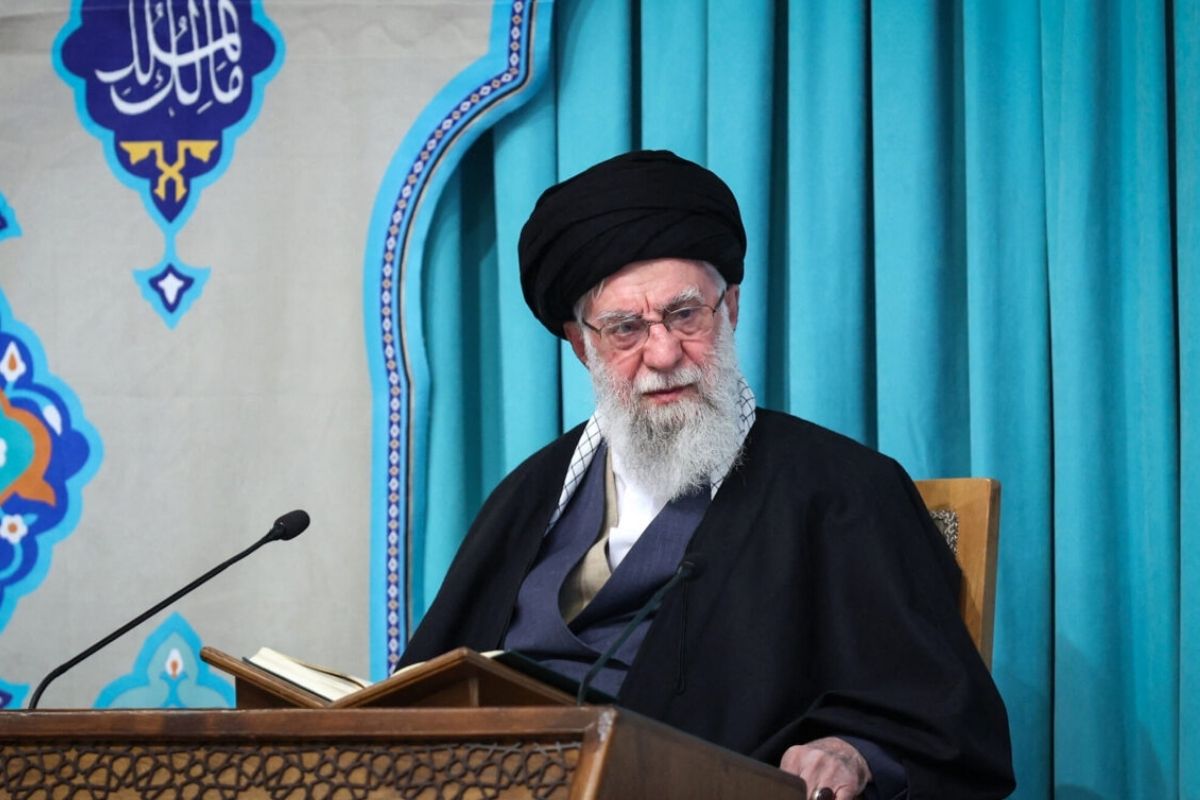
To understand how and why Iranian women react to Khamenei’s death the way they did, one must understand the years that preceded it. From the 1999 student movement to the 2009 Green Movement, the economic protests of 2017 and 2019, and the “Woman, Life, Freedom” uprising of 2022, all were met with severe security repression under Khamenei. The 2022 uprising, in particular, was directly triggered by the death of a young woman, Mahsa Amini, who died in the custody of the morality police after being arrested for improper hijab. Ayatollah Ali Khamenei personally oversaw the crackdown that followed.
In the final months before his death, the accumulated social and economic crisis exploded in January 2026 into a nationwide uprising. Protests that began over economic grievances turned political within weeks, spreading across all 31 of Iran’s provinces. The regime responded with a brutal crackdown, killing thousands of protesters, with human rights groups estimating the death toll at over 7,000 people. Women were at the forefront of that uprising. They were also among those who died for it.
The Viral Face of Iranian Women’s Defiance After Khamenei’s Death
No image captured the mood of defiant Iranian women more powerfully than one that had already gone viral months earlier. The woman, operating under the pseudonym “Morticia Addams” for her own protection, had previously become famous as the “smoking girl” of the Iranian protests, known for using a flaming image of Khamenei to light her cigarette. Her traumatic journey from Iran, where she had been a dissident subjected to arrest and abuse, eventually led her to safety in Canada.

When Ayatollah Ali Khamenei’s death was confirmed, she posted a video of herself taking part in an anti-regime rally, writing: “I said we’d dance on your grave, didn’t I?” The post captured what millions of Iranian women had been feeling for years — a reckoning, long deferred but finally arrived.
Iranian Women Celebrate Khamenei’s Death as Videos From Isfahan and Tehran Go Viral
A 33-year-old woman from Isfahan said she began crying from a mix of joy and disbelief when she heard Khamenei was dead. She told Reuters she joined others dancing in the street to share her happiness, expressing hope that his death would mean the end of the Islamic Republic.

Videos from Tehran showed girls on rooftops, overjoyed and celebrating as smoke rose from what they believed to be Khamenei’s palace complex. Another video from a high school showed students laughing and celebrating the news.
In one video obtained by CNN from an eyewitness in Tehran, the voices of two women can be heard chanting “Death to the Islamic Republic” and “Long Live the Shah” in Farsi, before cheers and whistles erupted. These were not spontaneous outbursts from people with nothing to lose. Under the Islamic Republic, women chanting such slogans risked arrest, torture, or worse. That they did so openly spoke to the magnitude of the moment.
Global Celebrations Erupt After Khamenei’s Death From London to Los Angeles
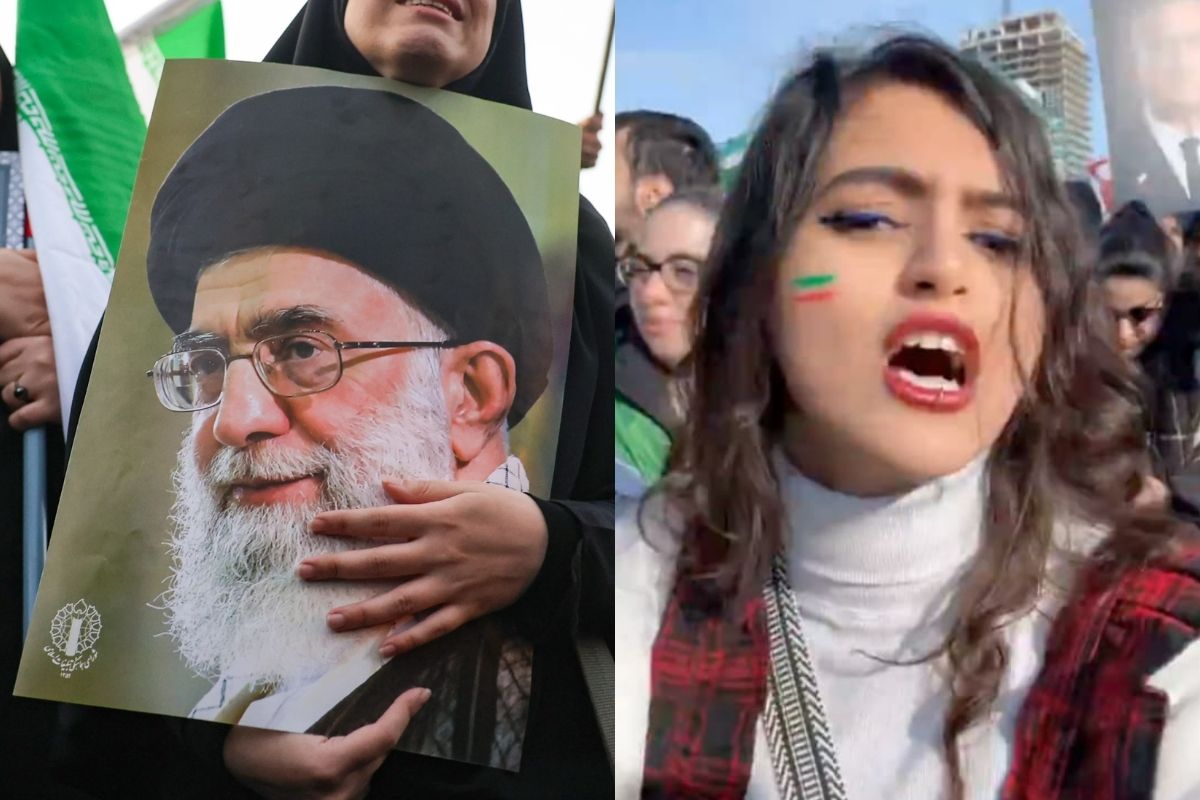
The celebrations were not confined to Iran’s borders. A woman was photographed waving a pre-1979 revolution Iranian flag bearing the Lion and Sun emblem from a car window during a drive-by celebration outside the Iranian Embassy in central London on March 1, 2026. The Lion and Sun flag, banned by the Islamic Republic, had become a symbol of resistance and longing for a different Iran.
In Los Angeles, home to the largest Iranian community in the United States, hundreds came out to wave Iranian and American flags. Iranian Americans and supporters were seen celebrating and dancing, with crowds chanting “Thank you, Bibi,” referring to Israeli Prime Minister Benjamin Netanyahu.
Celebrations spread across Europe, erupting in Italy, the UK, Germany, and Spain. In Germany, crowds cheerfully sang “Hava Nagila” to mark the joint US-Israel strike that killed the supreme leader.
Iran Divided After Khamenei’s Death as Mourning and Celebration Unfold in Tehran
Not all women celebrated. The reaction inside Iran was deeply divided along lines of faith, politics, and generational experience. Footage from Tehran showed mourners packed into Enghelab Square, dressed in black and weeping. One woman mourning Ayatollah Ali Khamenei’s death said through tears: “We said last night until the morning that God willing, it is a lie. Unfortunately, it was the truth.”
Even among those who welcomed the news, complex emotions lingered. “Inside, we are in party mode,” said one man in northern Tehran but many others expressed fear and uncertainty over what direction Iran would take. One older Iranian reminded those celebrating that similar jubilation had followed the 1979 revolution, before the Islamic Republic itself took hold.
On social media, grief also ran alongside the celebration. “Regret for the dear lives lost, regret for years wasted in prisons, regret for lives destroyed,” one user posted on X, capturing a mourning not for Khamenei, but for all those Iran had lost under his rule.
Why the Reaction Was So Gendered
The disproportionate visibility of women in the celebrations was not coincidental. Ayatollah Ali Khamenei’s regime had enforced mandatory hijab, restricted women’s access to certain professions and public spaces, and used the morality police as an instrument of state terror against them. Khamenei’s rule faced numerous waves of unrest over the decades, with the “Woman, Life, Freedom” protests of 2022 triggered specifically by the death of a young woman in morality police custody, marking one of the most direct and sustained challenges to his authority.
For those women, his death did not just signal a geopolitical shift. It represented the potential end of a system built in part on their subjugation. Whether that system will actually fall and what replaces it remains deeply uncertain. But in the hours after the announcement, young men and women in Abdanan, a Kurdish city in western Iran where protests had been brutally suppressed, leaned out of car windows, flashed victory signs, and cheered: “Tonight, February 28, congratulations on our freedom.”
What Comes Next?
Iran named senior cleric Ayatollah Alireza Arafi to its interim Leadership Council alongside President Masoud Pezeshkian and Chief Justice Gholamhossein Mohseni Ejei to oversee the supreme leader’s duties until a permanent successor is chosen. The IRGC remains intact and has vowed revenge. Iran has launched retaliatory strikes against Israel and US assets across the region, and its elite Revolutionary Guard has pledged further offensive operations.
For the women who danced in the streets of Isfahan, waved flags in London, or posted tearful celebrations from Toronto, the question now is whether the death of one man will be enough to end the system he built. History suggests caution. But for one extraordinary night, the world watched as Iranian women react to Khamenei’s death in a way that no government press release, no state funeral, and no military threat could silence or erase.
Also Read – Why Iran–Israel Ceasefires Collapse
Reference / Background Sources






💬 Comments