So there you are, staring at your calendar and working through your budget when you find that no matter how hard you try, you don’t actually know how many pay periods in a year you’re getting. Don’t feel bad. The majority of people don’t know unless they take the time to stop and think about it. The answer is not as straightforward as you might think. This all boils down to how your company pays you. And yeah, it’s kind of a big deal when you’re trying to determine whether you can afford that vacation.
The Basic Breakdown
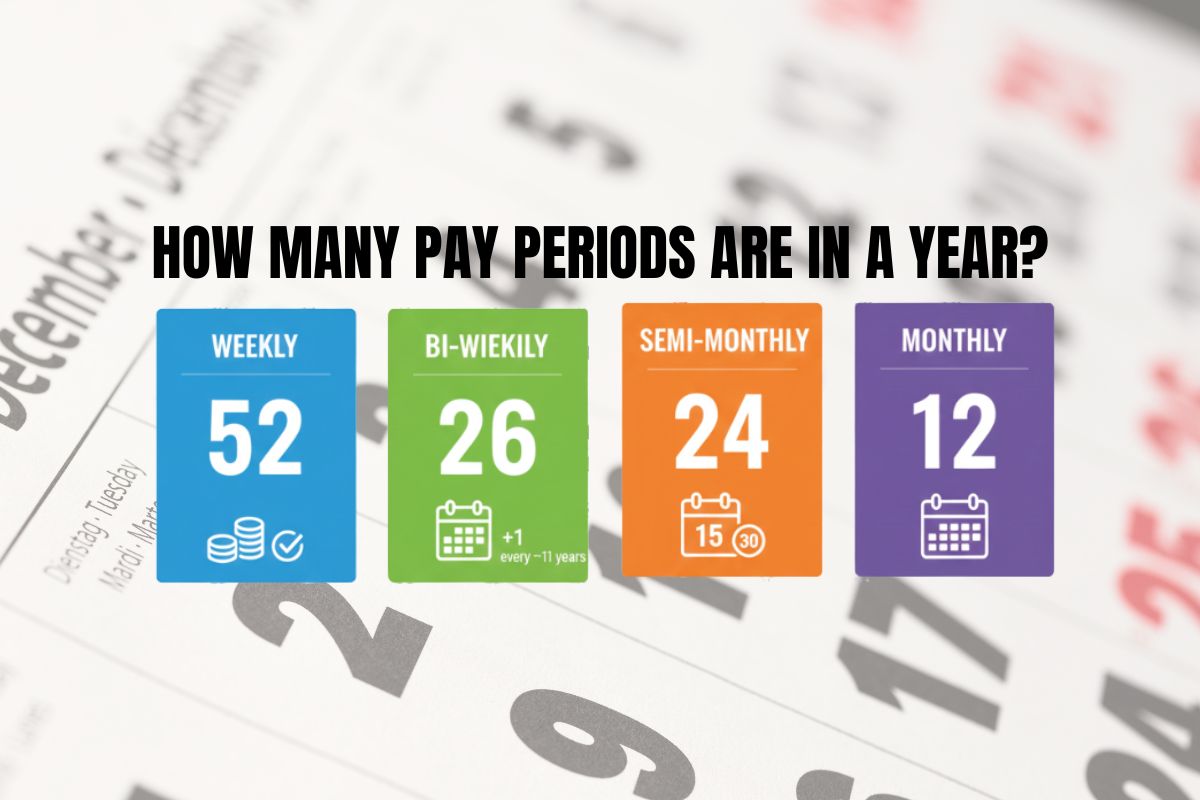
Here’s the deal. You can be paid by a company weekly, biweekly, semi-monthly, or monthly. Eachone gives you a completely different number of paychecks. You get 52 paychecks a year with weekly pay. Makes sense, right? It’s a pretty standard situation when you’re working hourly in a restaurant, retail, or manufacturing. With monthly pay, you receive 12 paychecks. One per month. Typically lands on that last day or the first of the following month. This is a fairly standard condition for salaried office jobs. Semi-monthly is 24 paychecks per year. You get a paycheck twice every single month, no fail. Typically on the 15th and last day. Here’s the interesting part.
The Biweekly Mystery
How many pay periods are in a year, biweekly? This is where most people get tripped up. Biweekly means every two weeks. Every 14 days. And here’s the kicker. Some months you’ll get two paychecks. But other months? You’ll get three. Yeah, three. How many paychecks in a year biweekly 2025? It’s 26. But depending on which Friday your company picks as payday, different months get that magical third paycheck.
My coworker Tracy found this out last April when she got three paychecks instead of two. She thought payroll messed up. If your company started the year with paychecks on January 3rd, you got three paychecks in both January and July of 2025. But if your first check came on January 10th, the three paycheck months were April and October. This matters because about 43 per cent of private businesses use biweekly pay, according to the Bureau of Labor Statistics.
How Many Pay Periods in a Year 2025
There are 26 biweekly pay periods in 2025 for most businesses. Some years feature 27 biweekly pay periods, instead of the typical 26. It occurs when the calendar falls just so. 2025 is not one of those years. Federal employees adhere to a somewhat different schedule. How many pay periods in a year do federal government workers get? Also, 26 for 2025. According to the GSA payroll calendar, for instance, Pay Period 26 will end on December 13th, with that paycheck going out on December 24th. If you’re a federal worker, it really depends on which agency employs you (as a technical matter, there are 27 pay periods in a calendar year, even though the government counts only 26 for its leave year). It’s about which paychecks land between January 1st and December 31st.
Looking Ahead to 2026
So, how many pay periods are in a year, biweekly, 2026? Also, 26 for most people. But 2026 does something interesting. The federal government calendar shows Pay Period 27 ending on December 26th. Depending on your pay date, some federal employees might receive 27 paychecks in calendar year 2026. Private sector companies will mostly stick with 26.
Also Read: Christmas Quiz with Answer
Why This Actually Matters
Okay, so why should you care? Budgeting. That’s why. If you’re on biweekly pay and you budget thinking you get two paychecks every month, you’re gonna have a bad time. In ten months, you’ll be fine. In two months, you’ll have extra cash. Smart move? Budget based on two paychecks per month if you’re paid biweekly. Treat that third paycheck as a bonus. Throw it at debt, savings, or that vacation. Taxes are another thing. More pay periods mean smaller chunks taken out each check. Someone making $60,000 a year on a monthly pay gets $5,000 per check before taxes. The same person ona biweekly basis gets about $2,308. The annual total is the same, but the cash flow feels completely different.
The Three Paycheck Months Game
People get really excited about three paycheck months. It feels like free money even though it’s not. Here’s a pro tip. Look at your company’s payroll calendar now. Figure out which months you’re getting three checks. Plan for them. Maybe one goes to your emergency fund. Another knocks out debt. The worst thing you can do is spend them randomly without any plan.
Semi-Monthly vs Biweekly
Real quick. No, they’re not the same. Semi-monthly is always twice per month. Always 24 checks per year. Your payday never moves. Biweekly is every 14 days. Your payday shifts around the calendar. Some months get two checks, some get three. Always 26 checks per year, sometimes 27. Semi-monthly makes budgeting easier because it’s predictable. Biweekly lines up better with hourly work schedules.
The Bottom Line on Paychecks
So, how many pay periods are in a year? Depends on your company’s pay schedule. Could be 12, could be 52, probably somewhere in between. Most likely you’re on biweekly, which means 26 checks with two months getting a third. Know which months those are. Plan accordingly. And if you’re job hunting? This is worth asking about. Not just how much you’re getting paid, but when and how often. It affects everything from your budget to your taxes. Nobody thinks to ask until they’re staring at their first paycheck, wondering why it’s smaller than expected. Your future self will appreciate figuring it out upfront.
Also Read: Where’s Gorka? Why Strictly Fans Have Been Asking About Marquez All Series







💬 Comments