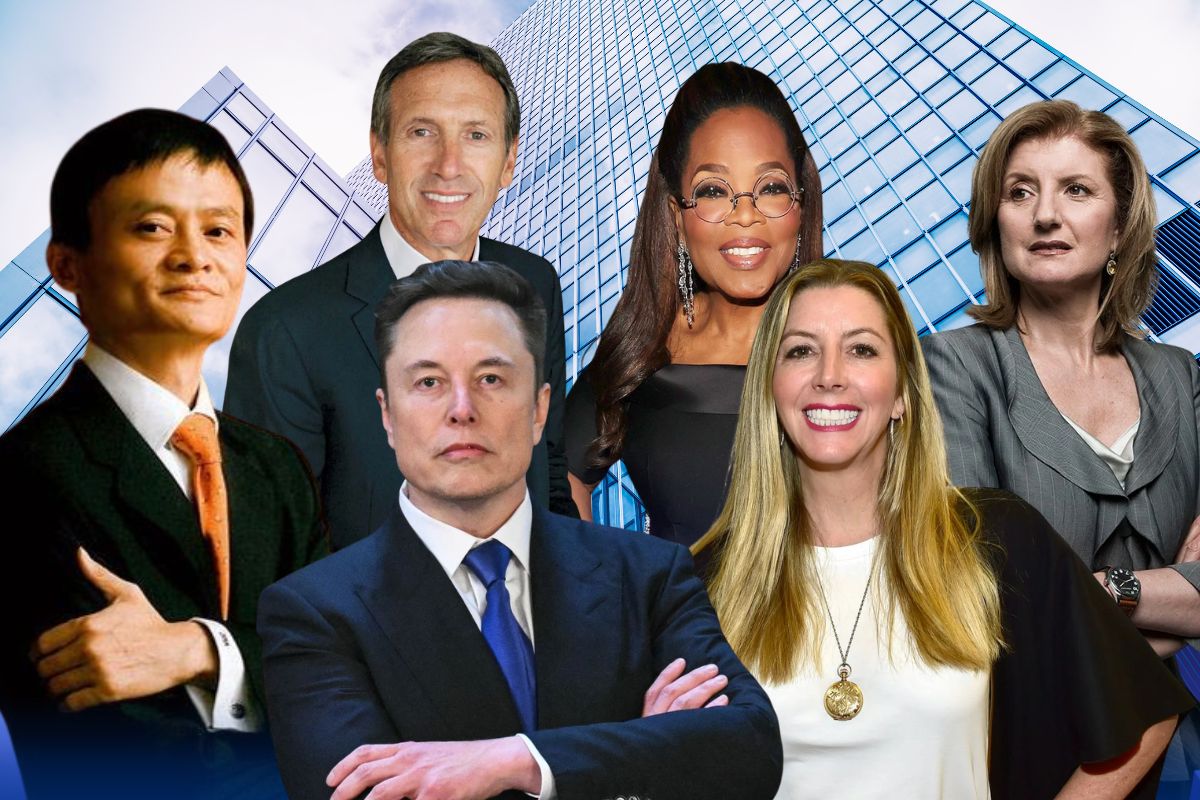
Business success always looks enticing—billion-dollar valuations, magazine headlines, and TED talks. But there’s always a backstory to the iconic entrepreneur of grit, failure, and resilience. The path to the top is rarely straight. It’s a winding path with setbacks, sleepless nights, and moments of doubt. These are the real entrepreneurs struggles stories of some of the most legendary business icons in the world—and how they turned adversity into victory.
1. Howard Schultz – How He Went from Poverty to Starbucks Empire
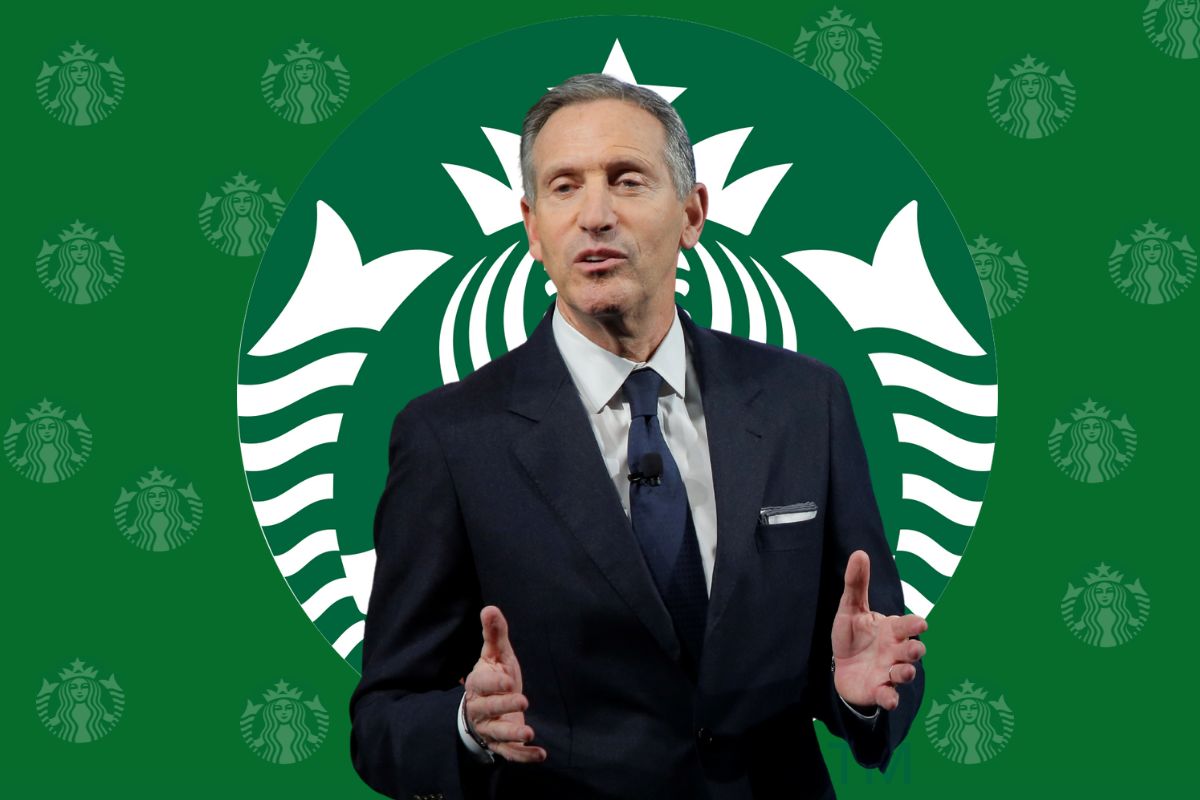
Howard Schultz was born in a housing project in Brooklyn, New York. His father was a truck driver and never had regular work or health coverage. Schultz never forgets remembering his father struggling after a workplace injury, something which later pushed him to see that employee benefits were included at Starbucks.
When Schultz initially came up with the concept of making Starbucks a national coffeehouse chain, investors laughed. “Americans won’t pay $4 for a cup of coffee,” they mocked. He was turned down by more than 200 investors before he eventually got funding. Even then, scaling the business was tricky. Schultz had to battle in order to keep the company’s culture intact while growing at a rapid pace.
His biggest test in 2008 was when Starbucks’ profits imploded during the downturn. Schultz returned as CEO and closed down scores of stores, retrained baristas, and emphasised quality. It hurt to reboot—but it rescued the brand.
2. Sara Blakely – The Billionaire Who Began with $5,000

Before she created Spanx, Sara Blakely was selling fax machines door-to-door. She did not have any fashion experience, investors, or connections. She had just $5,000 in her own funds with which she started working on a new style of shapewear.
Her biggest challenge? Convincing the manufacturers to hear her out. Most flat-out rejected her idea. One even told her, “Honey, if this was such a wonderful idea, someone would’ve already done it.” But Blakely was not about to give up, eventually finding a factory owner who’d listen to her.
She was rejected by every department store until Oprah Winfrey featured Spanx on her show. It all turned around then. Blakely is today one of the world’s youngest self-made female billionaires—but never forgets the sting of those early rejections.
3. Elon Musk – On the Verge of Bankruptcy and Public Embarrassment
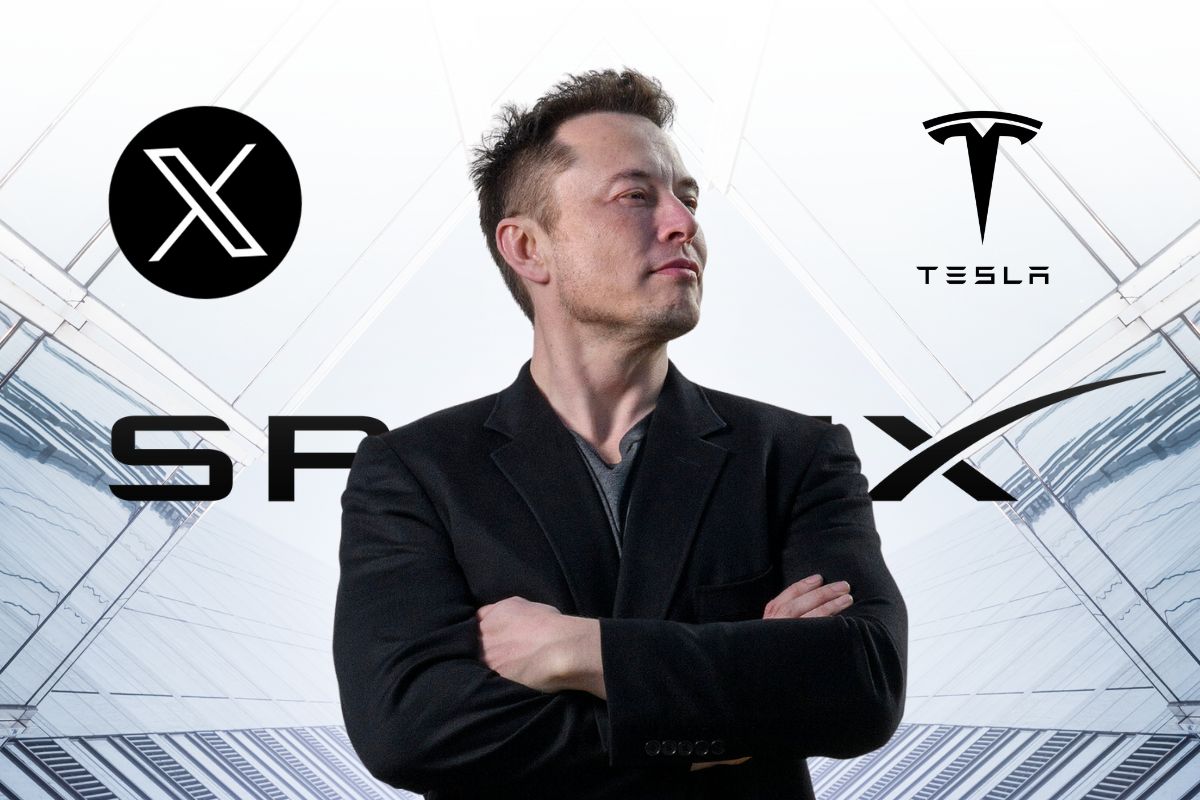
Elon Musk today is the epitome of innovation, but his journey to success has been far from easy. Musk had invested nearly all his earnings from the sale of PayPal in SpaceX and Tesla. In 2008, both companies were on the brink of bankruptcy.
Tesla was saddled with production delays, financial losses, and scepticism in the auto industry. SpaceX saw three rocket launch failures, and Musk claimed to be days away from bankruptcy. He borrowed cash to pay for rent.
The critics derided his aspirations. “A startup car company? A private space firm? He’s crazy,” they jeered. Still, Musk did not give up. SpaceX’s fourth launch was a success, winning a NASA contract. Tesla finally produced the Roadster. Musk’s determination transformed ridicule into adoration.
4. Oprah Winfrey – Fired, Rejected, and Then Reborn
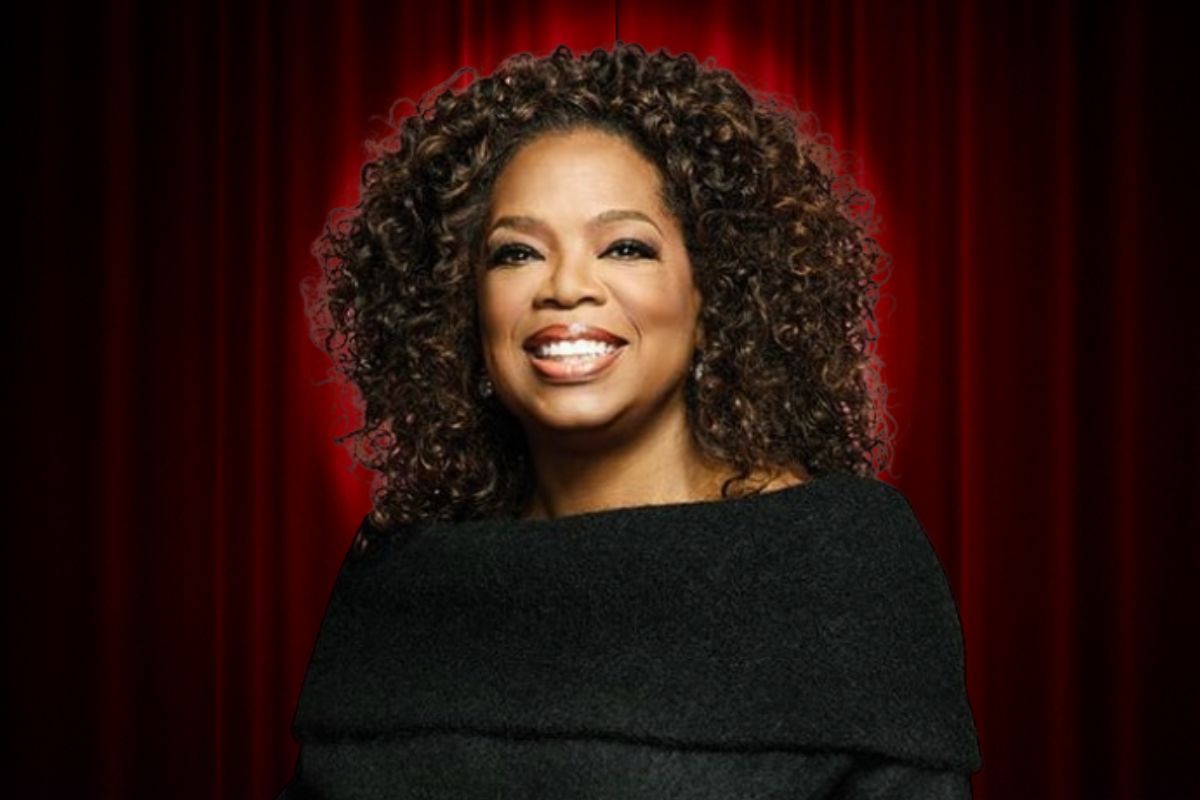
Oprah’s rise from poverty to media queen is the stuff of legend, yet her early career was full of disappointments. She was fired from her first television job in Baltimore for being “too emotional.” She was told that she did not have the right look or style for television.
Instead of giving up, Oprah embraced being herself. She made her vulnerability a strength, creating a talk show that was incredibly relatable to viewers. Her body image, abuse, and racism are the foundation of her brand was built upon.
Oprah today is not just a media mogul—she’s unstoppable. Her life is proof that rejection can be the beginning of reinvention.
5. Jack Ma – 30 Rejections and an International Empire
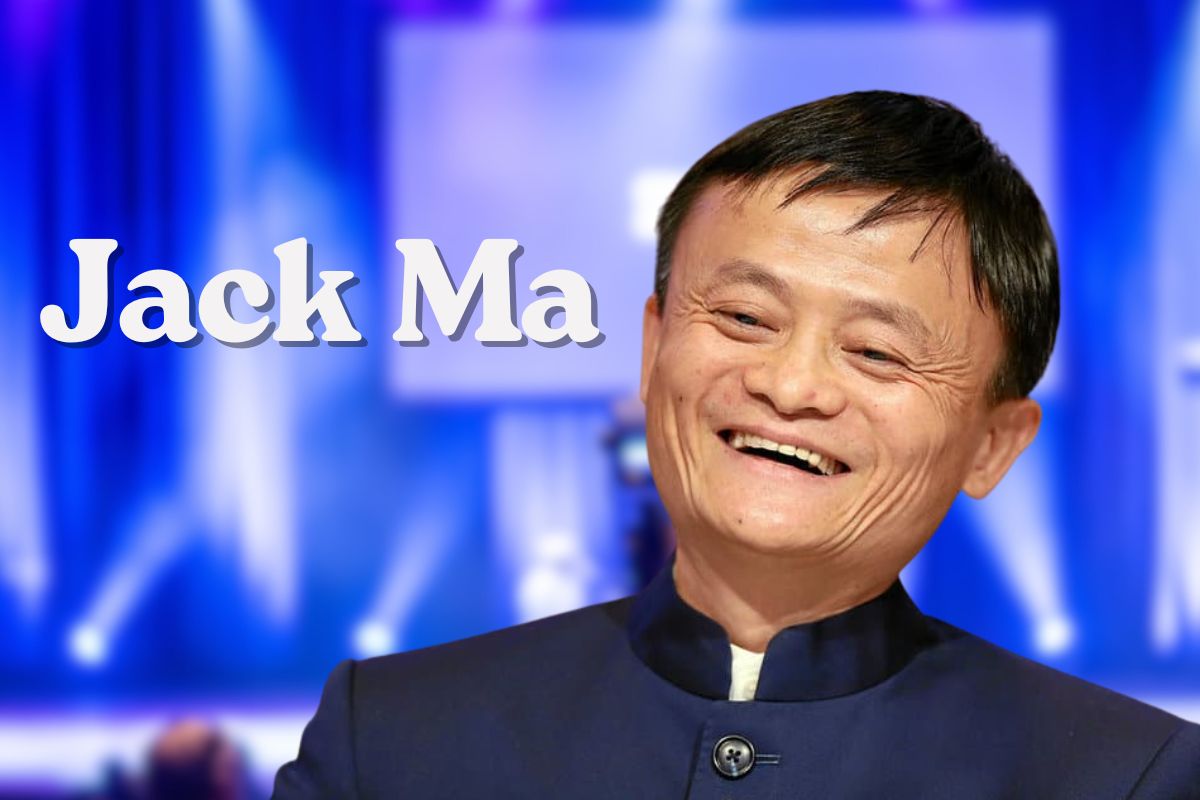
Jack Ma, founder of Alibaba, failed his university entrance exam three times. He was rejected from dozens of job opportunities—KFC included. He was rejected by Harvard ten times when he applied.
Ma’s Alibaba idea was not well-received. During the late 1990s, few individuals could imagine the power of e-commerce in China. He lacked technical expertise and found it challenging to acquire capital. But he rallied a group of friends and launched the platform from his apartment.
Alibaba faced aggressive competition and regulatory hurdles. But Ma’s vision and determination paid off. Alibaba is now one of the largest e-commerce platforms globally, and Ma is a global business icon.
6. Arianna Huffington – 36 Rejections and a Sleepless Empire

Before The Huffington Post was launched, Arianna Huffington had written a book that was rejected by 36 publishers. Even after the site was launched, critics described it as a blog aggregator with no journalistic value.
Huffington hit rock bottom and fainted from exhaustion in 2007. The incident made her rethink the hustle culture and start Thrive Global, which is a well-being company.
Her fight wasn’t just business—it was personal. She had to redefine success beyond money and status. Her story illustrates that toughness isn’t just gritting it out—it’s being able to recognise when to halt and change.
7. Steve Jobs – From Being Fired to Redefining the Future

Steve Jobs is known as the icon for innovation, but one thing that Steve Jobs struggled with is being let go from his own company, Apple. Jobs had been experiencing some power struggles with his board of directors when in 1985, he was let go from the company he founded. This could be demoralizing and might be the end for Steve Jobs. He would have no leverage since he wouldn’t have a job.
Instead, he founded NeXT and acquired Pixar. At first, these two companies faced challenges. Then, Pixar changed animation with “Toy Story.” Years later, Apple acquired NeXT. Jobs got another chance to work for the company that had once turned him down.
Upon his return, he found the company on the verge of collapse. He simplified the product line by launching iPods, iPhones, and MacBooks. This move made the company the most valuable in the world. This is certainly a proof that failure is a crossroads rather than a dead end because he failed at first.
8. Colonel Harland Sanders – 1,009 Rejections Before KFC

The owner of Kentucky Fried Chicken tasted success only in his 60s. Colonel Sanders had a tough life. He lost several jobs, and his own business failed. He just had a pension for survival.
He began travelling across America with his fried chicken recipe. He tried to persuade restaurant owners to include it on their menus. He was rejected a total of 1,009 times before a restaurant agreed to collaborate with him.
Sanders was up against rejection, age bias, lack of funds, and his own self-doubts. Today, KFC is an international chain, and this is how we’re reminded that we can start at any time.
9. Walt Disney – Told He “Lacked Imagination”

The founder of Disney was once let go from a newspaper because he “lacked imagination and had no good ideas,” according to his editor. His first animation business failed, leaving him with only a dream to cling to.
Not even Mickey Mouse could get past the rejection stage at the movie studios. Banks rejected Disney’s plans for Disneyland on the grounds that the idea was utterly unrealistic and immature.
But Disney continued to believe in his vision of storytelling and creativity. Nowadays, his name symbolizes the greatest entertainment empire in the world. His own life is a brilliant example of the fact that talent is not determined by critics but by persistence.
10. J.K. Rowling – From Welfare to Wizarding World

Before J.K. Rowling was one of the richest authors, she was a single mother relying on welfare. She fought against depression and dealt with rejection. Her manuscript for Harry Potter was rejected by 12 publishers.
The manuscript was finally accepted by a publisher. However, she was advised to get “a day job, since children’s books don’t make money.””
Rowling’s resolve has forever altered the literary landscape. Rowling took pain and turned it into imagination; she created something that millions of people love. Rowling’s story is proof that rock bottom can be the bottom of something groundbreaking.
Lessons from the Trenches
These stories are not just motivating—those are lessons. These are some of the most valuable lessons from successful entrepreneurs’ struggles:
- Rejection isn’t the end: Rejection is a rite of passage for all great entrepreneurs. The question is, what do you do when it happens to you?
- Resilience is a skill: It’s not born—it’s constructed through experience, failure, and learning.
- Authenticity wins: Oprah and Blakely succeeded by staying true to themselves, even when other people didn’t believe in them.
- Vision matters: Musk and Ma remained committed to their long-term vision, even when the short-term was dark.
- Well-being is vital: Huffington’s tale recalls that success without health is meaningless.
Final Thoughts
Behind every success story is a story of struggle. These entrepreneurs struggles stories are proof that no great empire was built overnight. Every rejection, every closed door, and every failed attempt became the foundation for resilience and vision.
The journeys of Howard Schultz, Sara Blakely, Elon Musk, Oprah Winfrey, Jack Ma, and Arianna Huffington remind us that struggles are not setbacks—they are stepping stones. What separates successful entrepreneurs from the rest is not that they never failed, but that they refused to let failure define them.







💬 Comments