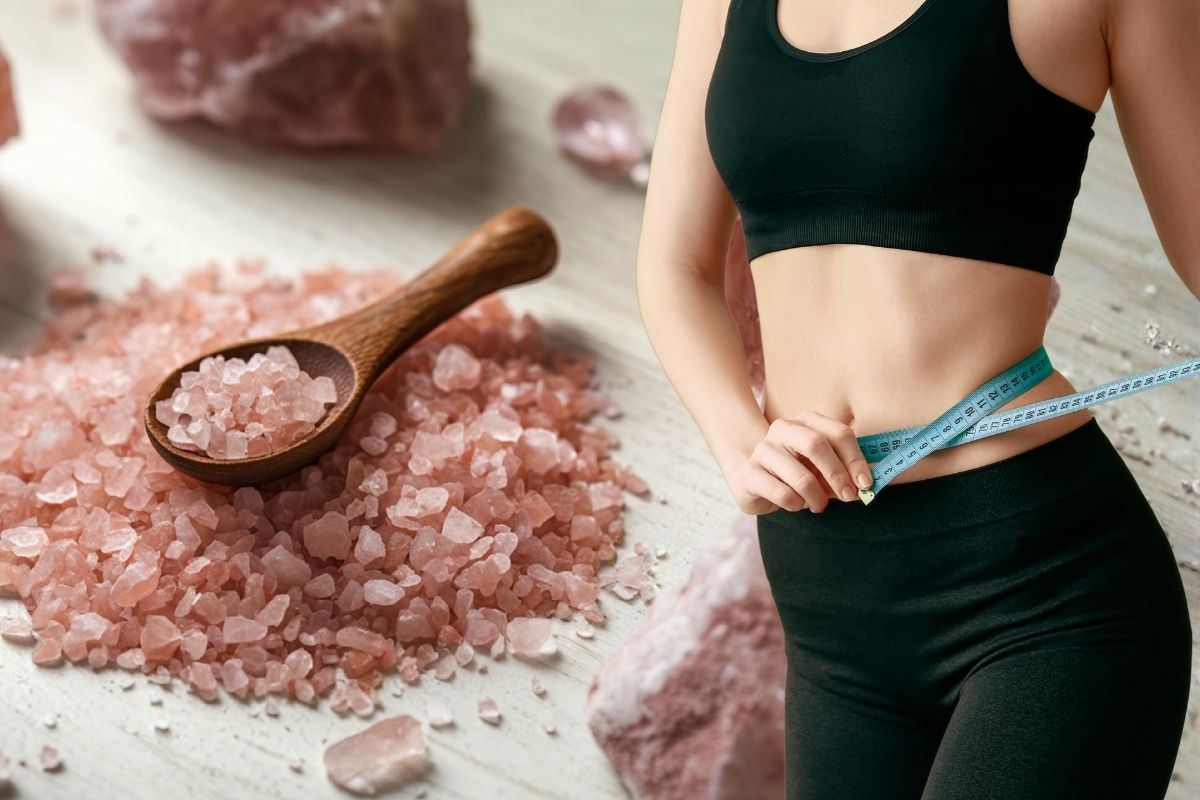
At some point in the last few years, weight loss stopped sounding like fitness advice and started sounding like kitchen folklore. Warm water with a pinch of salt and drink it first thing. Watch the scale move.
If you’ve been online at all, you’ve seen the pink salt weight loss recipe floating around wellness corners, morning routine videos, and comment sections filled with people swearing it “changed everything.” Here’s the thing, though. Most of those posts skip the boring part. The part that actually explains what’s going on in the body. Or whether anything meaningful is happening at all.
In this article, we will tell you all about what this drink is, what it might help with, and where the hype runs ahead of the facts.
What People Mean by the Pink Salt Weight Loss Recipe
When most people talk about the pink salt weight loss recipe, they’re talking about a very simple drink. Usually, the first thing in the morning.
It’s warm water mixed with a small pinch of pink Himalayan salt. Some versions add lemon juice. Some add apple cider vinegar. Others keep it plain.
That’s it. There are no special powders, no proprietary blends, just water and salt. The promise attached to it is usually framed around “boosting metabolism”, “flushing toxins”, or “melting fat”. Those phrases sound nice. They also don’t mean much in biological terms.
What actually matters is how salt, water, and timing interact with hydration, digestion, and appetite.
Also Read – Why Broccolini Deserves a Spot in Your Cart
What Pink Salt Actually Is
Pink Himalayan salt is still salt. Chemically, it’s mostly sodium chloride, just like table salt. The difference is trace minerals. Tiny amounts of potassium, magnesium, calcium, and iron give it the pink color. Emphasis on tiny.
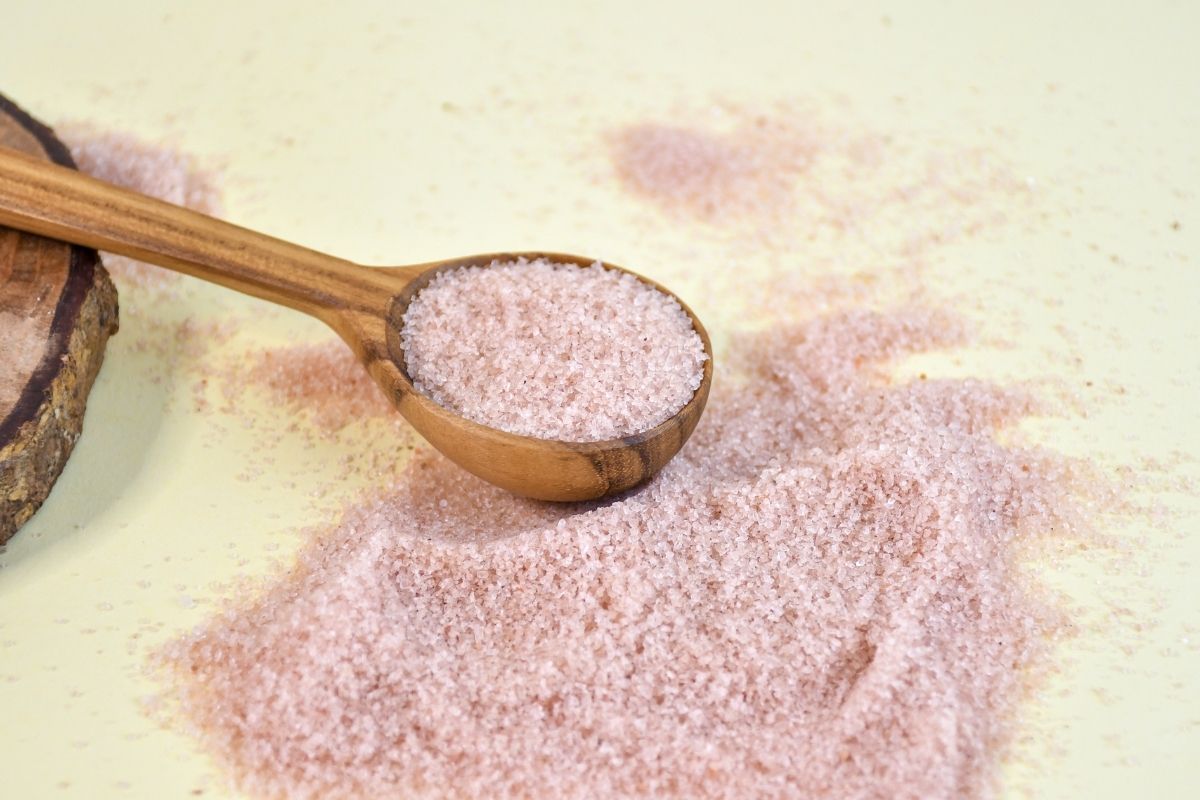
Those minerals don’t turn it into a fat burner. They don’t act like supplements. But they do slightly change how the salt tastes and how people use it.
Most people end up using less of it than regular salt because the flavor feels stronger. That part matters more than people think.
What People Are Actually Feeling, Without the Myths
When someone drinks warm water with a little salt first thing in the morning, the body reacts in fairly ordinary ways. Nothing dramatic and secret. Just basic responses doing their job.
Hydration: Most people wake up slightly dehydrated. That’s normal. You’ve gone hours without drinking anything, and your body’s been ticking along the whole time. A small amount of sodium helps the body hold onto the water instead of sending it straight through. That’s why people sometimes say they feel steadier or less foggy afterward. It’s not energy. Its hydration is catching up.
Warmth: Then there’s the warmth. Warm liquids tend to nudge the digestive system awake. Doctors have known this forever. It’s why warm drinks are often suggested when digestion feels sluggish. The gut responds to temperature. Muscles contract. Things move along more smoothly. For some people, that alone reduces bloating or that heavy feeling that hangs around in the morning.
Changes in Appetite: Appetite changes come next, and this part surprises people. Drinking anything before eating takes up space in the stomach. That sends a signal that says, “Hold on a second.” Hunger doesn’t disappear, but it often shows up a bit later. That delay can mean eating slightly less without trying to. Not because of discipline. Just timing.
None of the above melts fat. That’s important to say out loud.
But over days and weeks, feeling better hydrated, less uncomfortable, and less rushed into eating can shift habits. Smaller portions. Fewer early snacks. More awareness. Those are the changes people notice. Not weight loss itself. The conditions around it.
So when people say the drink “works”, what they usually mean is that their mornings feel calmer and more predictable. And honestly, that’s not magic. That’s the body responding the way it always has when it’s given water, warmth, and a bit of balance.
Promise Vs Reality
Promise: Burn fat effortlessly.
Reality: The body doesn’t burn fat because of salt. What people usually notice is better hydration, a steadier stomach, and less urge to grab whatever’s closest first thing in the morning.
Promise: “boosts metabolism”.
Reality: The reality is less exciting. Metabolism doesn’t speed up from a drink like this. What can change is how the morning starts. Fewer energy dips. Less rushing into food. A bit more awareness.
Promise: “flushes toxins”.
Reality: That one doesn’t hold up. The liver and kidneys already do that job, all day, every day. Warm water doesn’t replace them. At best, it supports hydration, which helps those organs do what they’re meant to do anyway.
Promise: “shrinks your appetite.”
Reality: Not exactly. It can delay hunger slightly because the stomach isn’t empty. That delay might mean a smaller breakfast or skipping an unnecessary snack. That’s timing, not appetite control.
So when weight loss happens alongside this habit, it isn’t because the salt did anything special. It’s because mornings felt more settled. Decisions felt less reactive. Small behavior shifts stacked up quietly.
Also Read – What Are the Benefits of Lemon Cucumber Water?
Why People Associate It With Weight Loss
Here’s the psychological reason most people skip. Routines matter. When someone starts the day with intention, they tend to make better choices afterward. Breakfast becomes more thoughtful. Snacking becomes less frantic. Water intake improves across the day.

The drink becomes a cue, not a cure.
That’s why some people swear by the pink salt recipe for weight loss, while others feel nothing at all. The context changes everything.
What Dietitians Actually Caution About
Most registered dietitians don’t dismiss the idea outright. But they’re quick to slow people down.
“Salt isn’t harmful in isolation,” explains Lauren Manaker, a US-based registered dietitian, in her comments on hydration trends. “The issue is context. Many adults already consume more sodium than recommended, often without realizing it.”
That point matters. According to guidance echoed by dietitians working with heart health patients, daily sodium intake adds up quietly. A little here. A little there. Over time, it counts.
Abbey Sharp, another registered dietitian who often breaks down viral nutrition trends, has warned that morning salt drinks don’t cause weight loss and can backfire for certain people. Her consistent advice is simple: if blood pressure runs high, kidneys are under strain, or swelling is already an issue, adding salt on purpose isn’t wise.
Medical groups back that up. The American Heart Association has long noted that excess sodium intake is linked to elevated blood pressure, especially in people who are sodium sensitive. That sensitivity isn’t rare. Many people don’t know they have it until symptoms show up.
Dietitians also stress portion size. When people online say “pink salt,” what they mean varies wildly. A pinch is very different from a teaspoon.
As one clinical dietitian quoted in Noom’s 2025 review put it, “If someone insists on trying it, it should be truly minimal. Think a few grains, not a scoop. And it should never replace balanced meals or medical advice.”
And there’s another point professionals repeat often. You don’t need this habit at all.
Plain water works. Breakfast works. Eating enough potassium-rich foods works. There’s nothing essential about salted water in the morning. Skipping it doesn’t mean you’re missing a secret.
That’s usually where dietitians land. Try it if you’re curious and healthy. Stop if it doesn’t feel right. And don’t mistake a small hydration habit for a medical tool.
Why This Trend Took Off Now
Cost plays a role. With supplements getting expensive and weight loss programs feeling overwhelming, a simple kitchen habit feels manageable. No subscription. No tracking app. No shame.
There’s also trend fatigue. People are tired of ten-step morning routines that collapse after a week. A glass of warm water with a pinch of salt feels doable. And doable habits stick longer.
7-Day Self-Test to See If It’s Helping You
If you try this habit, don’t watch the scale. Track these instead:
- Morning bloating
- Energy before breakfast
- Snacking before noon
- Thirst levels throughout the day
If none of these improve after a week, the drink isn’t doing anything meaningful for you, and that’s okay.
Also Read – 10 Bad Sleeping Habits That Are Making You Gain Weight
When People Should Skip It
- If you wake up bloated.
- If salt makes you puffy.
- If your doctor has told you to watch your sodium.
- If you already drink plenty of water and feel fine.
There’s no prize for forcing it.
What Actually Helps If Weight Loss Is the Goal
Here’s the truth.
- Hydration.
- Regular meals.
- Protein intake.
- Sleep.
- Stress management.
- Walking more than you think you do.
The pink salt weight loss recipe can support hydration for some people. That’s where its usefulness begins and ends.
Used as part of a larger pattern, it can help. Used alone, it does nothing.
So Should You Try It?
If you’re curious and healthy, trying it for a week won’t hurt. Keep the salt minimal. Pay attention to how you feel, not what the scale does in three days. If it helps you drink more water and snack less, great. Keep it.
If it does nothing, move on. No guilt and no sunk cost.
Weight loss isn’t about tricks. It’s about habits you can live with.
And if a quiet glass of warm water helps you start the day a little more steadily, that’s already a win. Even if the salt isn’t magic.
So ask yourself one honest question before jumping on it.
Is this helping me take better care of myself, or am I hoping it replaces the hard parts?
The answer usually tells you everything you need to know.
Sources And References
Harvard T.H. Chan School of Public Health
Explains how sodium affects fluid balance and why excess intake matters
Mayo Clinic
Clear medical guidance on who should limit salt intake and why
Noom Nutrition Blog (Reviewed by Registered Dietitians)
Topic: Pink salt and weight loss claims
Why it fits: Directly addresses viral salt recipes with clinical caution
Accessed: January 2026





💬 Comments