It’s not exercise and diet alone—sleep joins in on the weight control act, governing metabolism, hunger hormones, and energy balance. But too many of us sleep in a manner that undermines our diet plan. Disruptive sleep has been found to trigger food cravings, blunt calorie burn, and even contribute to fat storage, research has demonstrated. The following are ten normal sleeping habits that may be sabotaging your weight loss program—and how you can change them.
1. Being a Chronic Late-Waker
Late waking upsets your internal clock, the body’s circadian rhythm that controls hormones such as leptin and ghrelin. Leptin sends signals of fullness, and ghrelin stimulates hunger. Sleep loss decreases leptin and increases ghrelin, therefore stimulating hunger and calorie intake. Waking up late every day also decreases overall sleeping time, which adds to weight gain as well.
Tip: Strive for a regular bedtime, preferably 10-11 PM, to improve hormonal balance and weight control.
2. Getting Too Little Sleep
Decreased sleep (less than 7 hours per night) decelerates metabolism and diminishes energy expenditure. Skipping sleep also raises cortisol, the stress hormone, which encourages fat storage around the middle. Research shows that short sleepers eat more calories, particularly evening snacks.
Tip: Sleep 7–9 hours of high-quality sleep each night to most effectively support metabolic health and appetite control.
3. Irregular Sleep Schedule
Sleeping in late on weekends or working at night are typical examples of irregular sleeping habits. These types of sleeping patterns trick your body clock. This disruption causes irregular glucose metabolism, a rise in insulin resistance, and unwanted fat deposition. Irregular sleep disrupts the normal release of the growth hormone responsible for fat burning and muscle gain.
Tip: Stick to a regular sleep-wake routine on each day, including weekends.
Also Read – Why Broccolini Deserves a Spot in Your Cart
4. Electronic Devices Before Bed
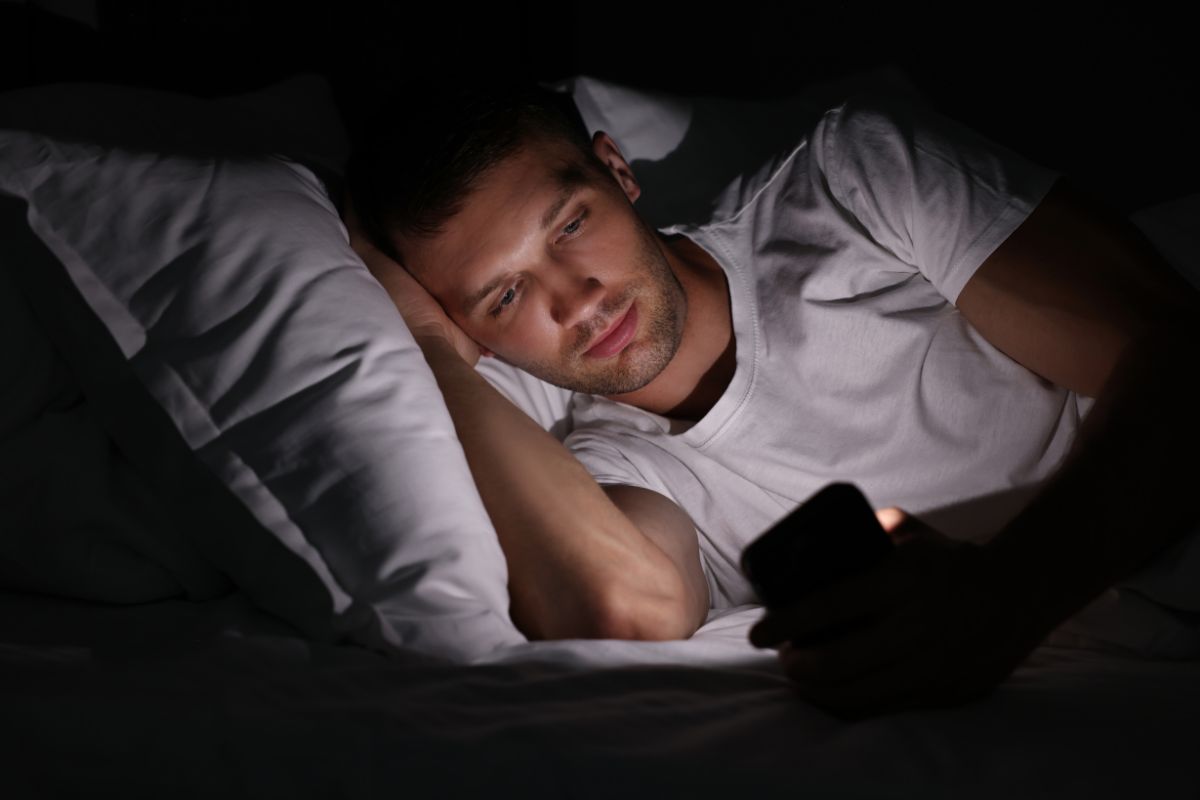
Blue light on the screens of smartphones, tablets, and TVs suppresses the release of melatonin, the sleep-onset hormone. Delayed sleep onset cuts time spent asleep but is also bad for metabolic health. In addition, evening exposure through screens also generally involves snacking, which adds extra calories.
Tip: Stay away from screens for a minimum of 60 minutes before sleep. Implement blue light filters if exposure cannot be avoided.
5. Late Night Heavy Eating
Eating late at night disrupts digestion and keeps you from rejuvenating sleep. If you eat a calorie-laden meal and immediately go to bed, your body is working on digestion and not repairing tissues or balancing hormones. You will store excess fat around your belly.
Tip: Have dinner at least 2–3 hours before going to bed and have light, protein-based dinners.
6. Caffeine or Drinking Alcohol in the Evening
Caffeine is a stimulant that will keep you awake, cut down on the amount of sleep, and shift your sleep phase. Alcohol will put you to bed initially, but disturbs deep, restorative sleep. Both disturb hormone regulation and may also give you a craving for sweets or fat the following day.
Tip: Drink caffeine in the morning and avoid it at night, and refrain from alcohol.
7. Sleeping in a Poor Sleep Environment
An illuminated, noisy, or warm bedroom may hinder deep sleep, which is required to control weight. The quality of the sleep is poor as it makes individuals tired, less physically active, and hungrier, thereby leading to weight gain in the long term.
Tip: Make your bedroom dark, quiet, and cold. Spend money on blackout drapes, earplugs, or a white-noise machine if need be.
8. Deep Sleep Insufficiency
Deep sleep cycles are necessary for the release of growth hormone, so fat burning and lean muscle can be maintained. Poor deep sleep will devastate glucose metabolism, hinder fat burning, and create hunger the following day.
Tip: Enhance deep sleep by having a regular sleeping schedule, avoiding screens, and adding relaxing activities such as reading or meditation prior to bedtime.
9. Don’t Ignore Snoring or Sleep Apnea
Sleep disorders such as sleep apnea lower oxygen and disrupt the sleeping cycle. It causes persistent fatigue, hormonal imbalance, and appetite, making it more difficult to maintain a healthy weight. Sleep apnea is common and far too frequently not diagnosed and not treated.
Tip: See your doctor if you snore, gasp during sleep, or get too drowsy throughout the day. Proper diagnosis and care can enhance sleep and weight control.
Also Read – The Ultimate Comeback Story of John Paul DeJoria
10. Not Enough Daytime Napping
While short naps (20–30 minutes) will boost alertness, long or nighttime naps will interfere with nighttime sleep, leading to poor deep sleep. Poor deep sleep harms metabolism and enhances hunger, ultimately leading to weight gain.
Tip: Keep naps brief and don’t nap in late afternoon or evening.
FAQ
Q1: Can poor sleep really lead to weight gain?
Yes. Inadequate or poor sleep disrupts hormones that regulate hunger, metabolism, and fat storage, increasing the likelihood of weight gain.
Q2: How much sleep maximises weight regulation?
7–9 hours of high-quality sleep per night is best for most adults. Too much or too little sleep hurts both hunger regulation and metabolism.
Q3: Will weight be affected if I eat later at night, even though I’m active?
Yes. Nighttime eating derails hormone balance and encourages fat storage, even in regular exercisers.
Q4: What happens to hunger when you’re sleep-deprived?
Sleep deprivation elevates ghrelin (hunger hormone) and lowers leptin (satisfaction hormone), making you crave high-calorie, high-carbohydrate, or high-fat foods.
Q5: Will a correction in my sleep rhythm lead to weight loss?
Yes. Better sleep quality and continuity promote hormonal balance, calm hunger, and boost metabolism, allowing for better ability to regulate weight.
Q6: Is sleeping harmful to weight control?
Daytime short naps enhance wakefulness and have no negative impact on weight regulation. Sleep at night is disturbed by prolonged or late naps, and indirectly, they lead to weight gain.
Conclusion
Sleep is too frequently a missing piece of the weight-management puzzle. Watching TV and late-night and late-evening eating can quietly sabotage your weight-loss plan. By setting regular sleep and wake-up times each day, maintaining your bedroom as a warm sleeping sanctuary, and staying away from activating foods and drinks in the evening, you can improve sleep as well as your potential for a healthy weight.
Disclaimer – This article is for informational purposes only and should not replace professional medical advice or diagnosis related to sleep disorders or health conditions.
Sources and References
- Sleep Foundation — Sleep hygiene recommendations
- NHS UK — Healthy sleep habits guidance
- Mayo Clinic — Sleep and wellness information
- Cleveland Clinic — Sleep health research
- CDC — Sleep and public health resources





💬 Comments