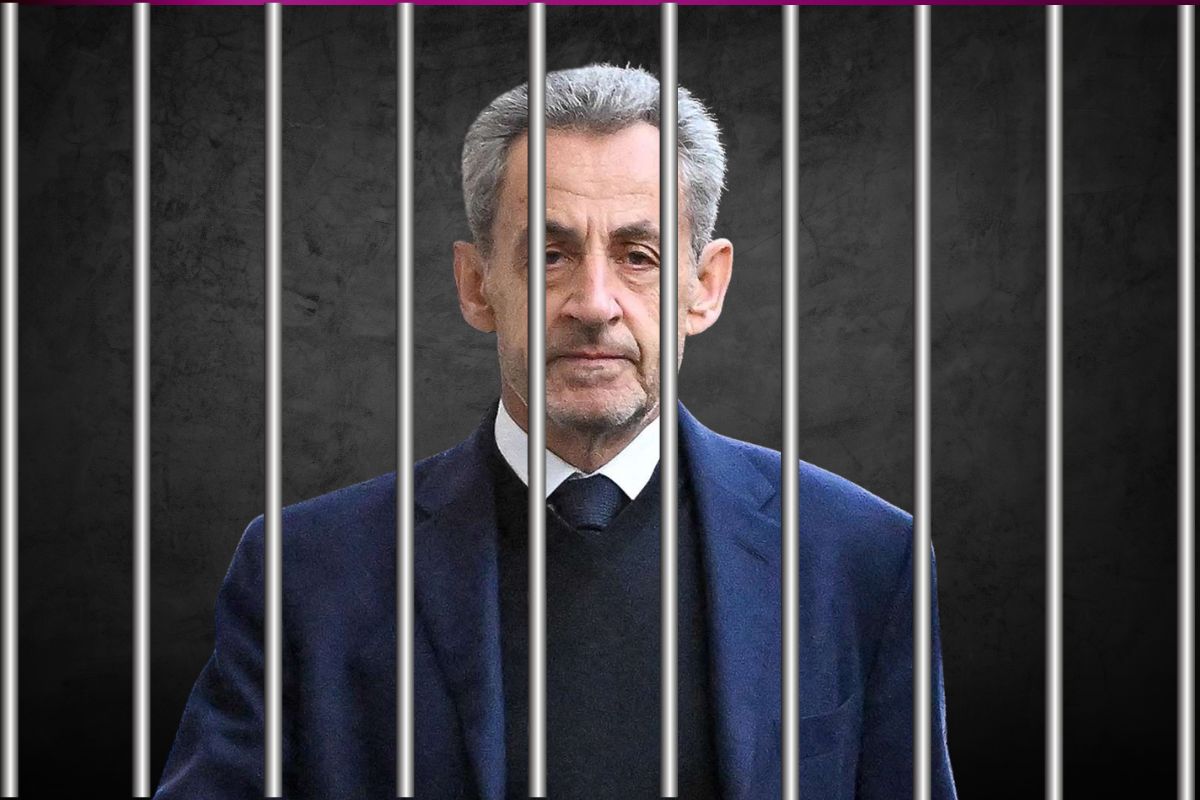
Nicolas Sarkozy is the first ex-president of contemporary France to have served a prison sentence. On October 21, 2025, the 70-year-old former president began a five-year sentence at La Santé prison in Paris. He was convicted of criminal conspiracy linked to illegal financing of his 2007 campaign.
The Charges and Conviction
Sarkozy was found guilty of criminal conspiracy. He took millions of euros from the late Libyan leader Muammar Gaddafi to fund his 2007 election campaign. The case, which had been under investigation for years, resulted in a conviction in September of 2025. French prosecutors showed proof that Sarkozy’s election campaign received illegal funds. These funds came through middlemen linked to the Libyan regime.
Sarkozy is at the centre of several legal dramas. He has faced many accusations of bribery and corrupting officials throughout his career. But the Libya case is the most serious one not only in terms of the amount of money but also in terms of its international implications.
Also Read – Katy Perry and Justin Trudeau Officially Confirm Their Relationship
A Historic Moment
Nicolas Sarkozy incarceration is a historical milestone in French politics. Sarkozy is the first former president of France. He’s also the first ex-head of state in the European Union to be jailed for criminal conspiracy. A former head of state facing accountability for campaign finance issues has sparked heated debate in France and Europe.
In the morning of his arrest, Sarkozy left his extravagant Paris mansion with his wife, Carla Bruni-Sarkozy, and his children. Hundreds of his supporters were waiting outside, waving French tricolours and shouting his name. Some of them bore placards with “Courage Nicolas” and “Come back soon,” while others sang the national anthem to express their solidarity.
Sarkozy’s Response
Despite the conviction, Sarkozy is innocent. Before he left for prison, he tweeted: “It is not a former president of the republic who is being imprisoned this morning, but an innocent man. Truth will prevail.” His lawyers have filed an urgent bail application while they appeal. They argue that keeping him in prison until the appeal is heard is unusual and unfair.
Nicolas Sarkozy lawyers criticised the court’s handling of the case. They claimed that political motives might have influenced the ruling. They say all evidence connecting Sarkozy to Libyan funds is just circumstantial. They also claim the prosecution depended on witnesses whose trustworthiness was already in doubt.
Life Behind Bars
Sarkozy is in solitary confinement at La Santé prison. This place is known as one of France’s most infamous jails. He needed to be isolated to keep himself and others safe. This was important because he is a high-profile suspect, and risks come with holding him with the general population.
Sarkozy will have very little interaction with the world outside prison. Visits by family members will be strictly regulated, and he will not have much use of the devices used for communication. However, because of his status, he is bound to receive special treatment compared to regular prisoners.
Also Read – Isabelle Tate, Beloved 911 Nashville Actress, Dies at 23 Due to Charcot-Marie-Tooth Disease
Political and Public Reactions
The reaction to Nicolas Sarkozy detention has been polarised. His allies regard him as a victim of political persecution, whereas his critics view his conviction as a victory for justice and transparency. French President Emmanuel Macron has remained largely silent on the matter, praising the independence of the judiciary.
Political analysts suggest that Sarkozy’s death would have spillover effects for France’s centre-right politics. A former heavyweight of the Republican Party, his reputation is now marred by scandal. There are concerns that his prison term would further erode public faith in political institutions.
Also Read – Freddie Freeman Ignites Dodgers’ NLCS Comeback, Chelsea’s Three-Word Reaction Goes Viral
Final Thoughts
Nicolas Sarkozy journey from the Élysée Palace to a prison cell is a sorry decline into obscurity. His imprisonment and conviction remind us all of the importance of accountability, regardless of position. As adamant as he may be on innocence, the legal process has had its say—and for now, at least, Sarkozy is incarcerated.
Whether or not his appeal is successful remains to be seen, but one thing is certain: this day will be marked in French political history as a turning point when the rule of law prevailed over privilege and power.
Citations / Sources
Former French President Sarkozy starts 5-year prison sentence, October 21, 2025, by Reuters
Sarkozy’s conviction: Five questions about what happens next, September 26, 2025, by Le Monde
Guardian – “What can Sarkozy expect in La Santé prison?, October 21, 2025
France’s ex-president Sarkozy says an ‘innocent man is being locked up… by France24 , October 21, 2025
Former French president Nicolas Sarkozy starts a five-year jail term by Al Jazeera





💬 Comments